







Mid-Devon Farmhouse Energy Upgrade
A sympathetic off-grid renewable retrofit in rural Devon
This remote Mid-Devon farmhouse was in need of a modern energy upgrade. Prior to the works, the property relied heavily on bottled LPG and firewood for heating and cooking, alongside an unreliable rural grid connection that resulted in frequent power cuts.
Today, the house operates as a highly efficient, future-proofed family home. Heating is provided by a water source heat pump, cooking is fully electric via induction, the household benefits from electric vehicle (EV) charging, and the entire property is protected by a full-house battery backup system. The original wood-burner remains — now a feature rather than a necessity, enjoyed on winter evenings.
- Ground Mounted Array
- Heat Pump
- Full Home Backup
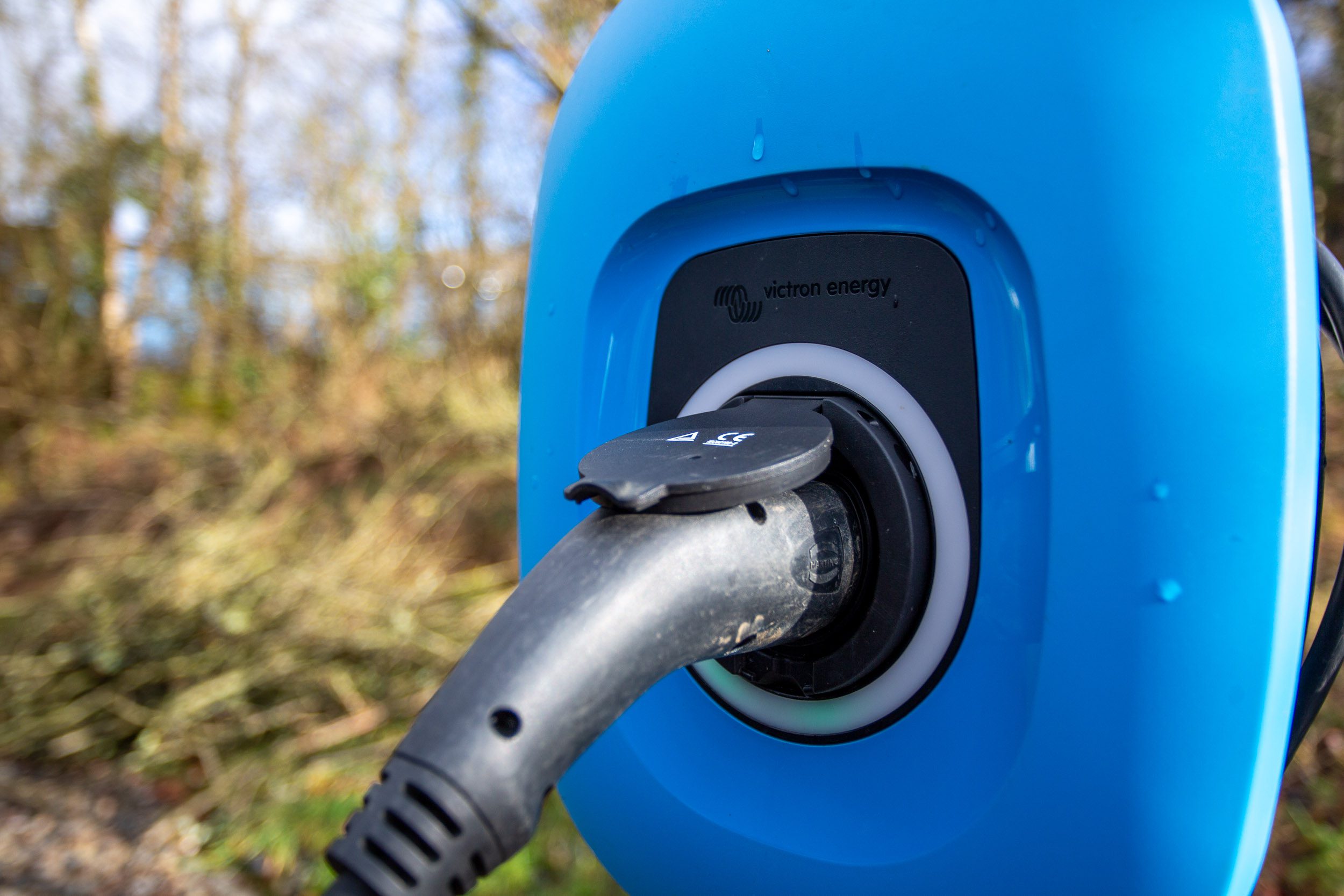
- EV Charging
Tom Cosgrove-Chubb
Renewable Energy Systems Designer | Solar, Battery & Off-Grid Specialist
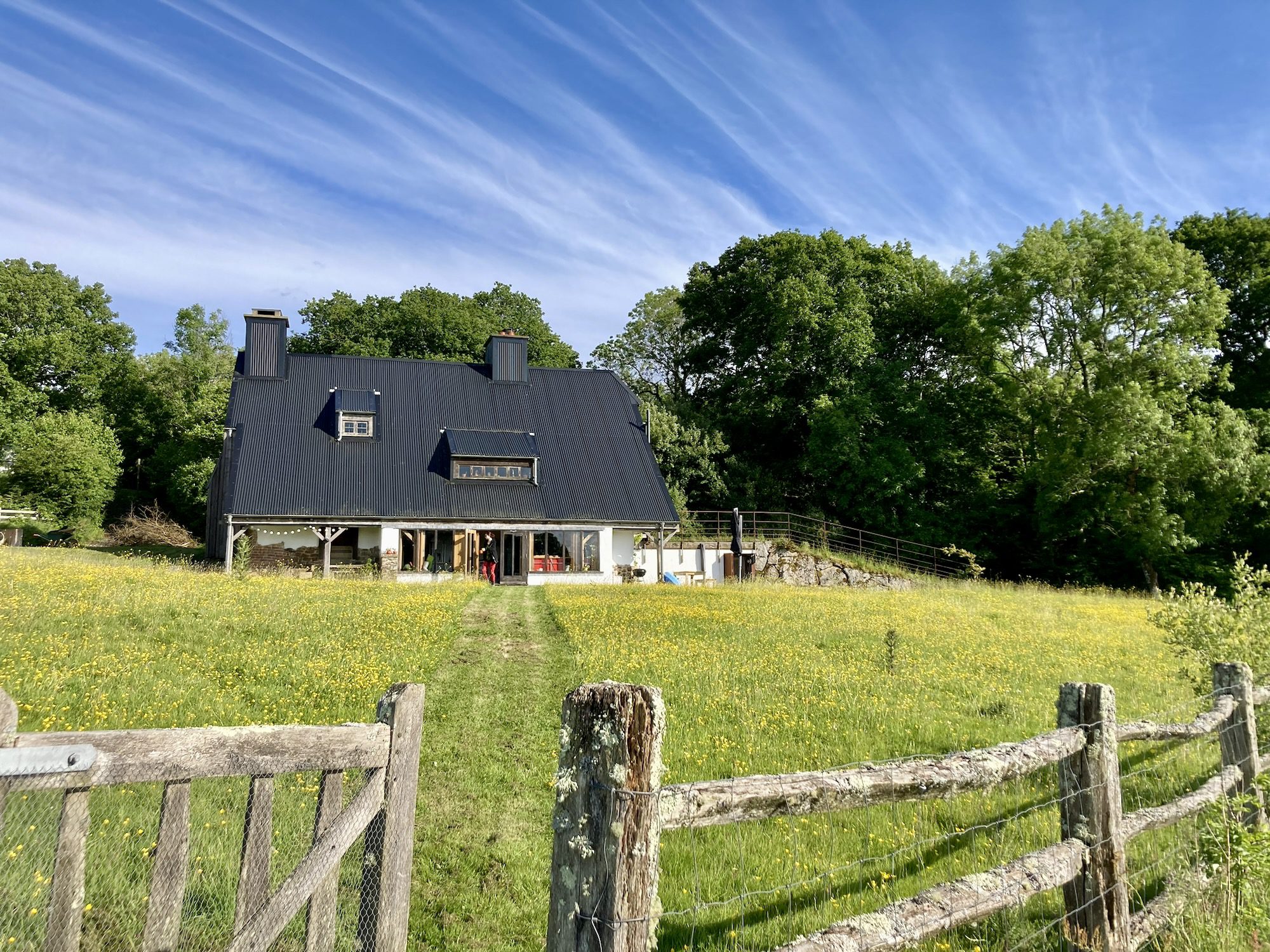
A 17th-Century Barn, Brought into the 21st Century
Offgrid Western was commissioned to upgrade this historic Devon farmhouse while preserving its character and appearance. The challenge was to deliver modern renewable technology without compromising the building’s visual integrity or rural setting.
The Client Brief
The homeowner’s requirements were clear:
- Reduce reliance on expensive bottled gas and firewood
- Increase independence from the national grid
- Retain the visual character of the property
- Install EV charging suitable for rural living
The Installed System
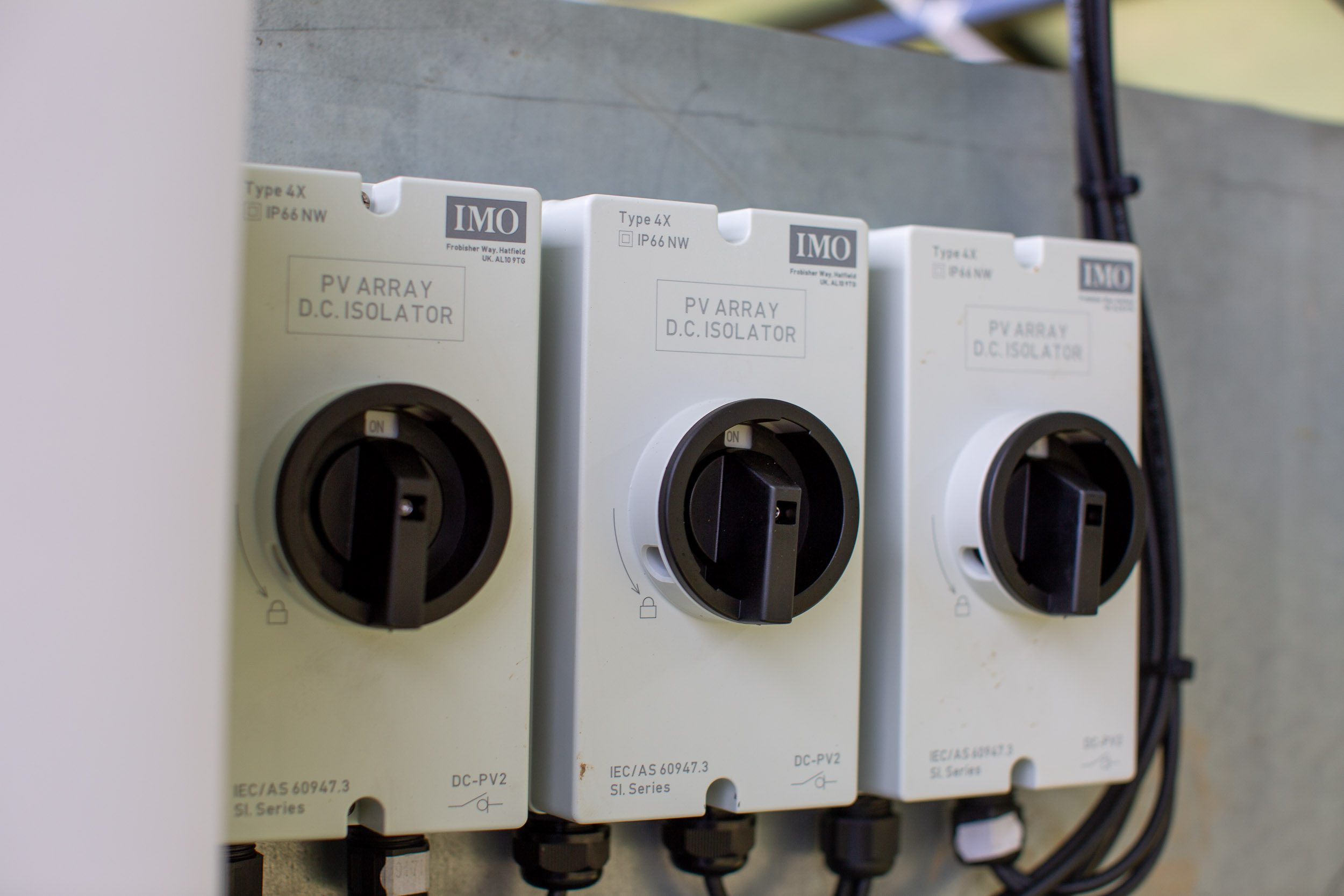
- 9 kW AC-coupled ground-mounted solar PV array.
- Water source heat pump for space heating and hot water.
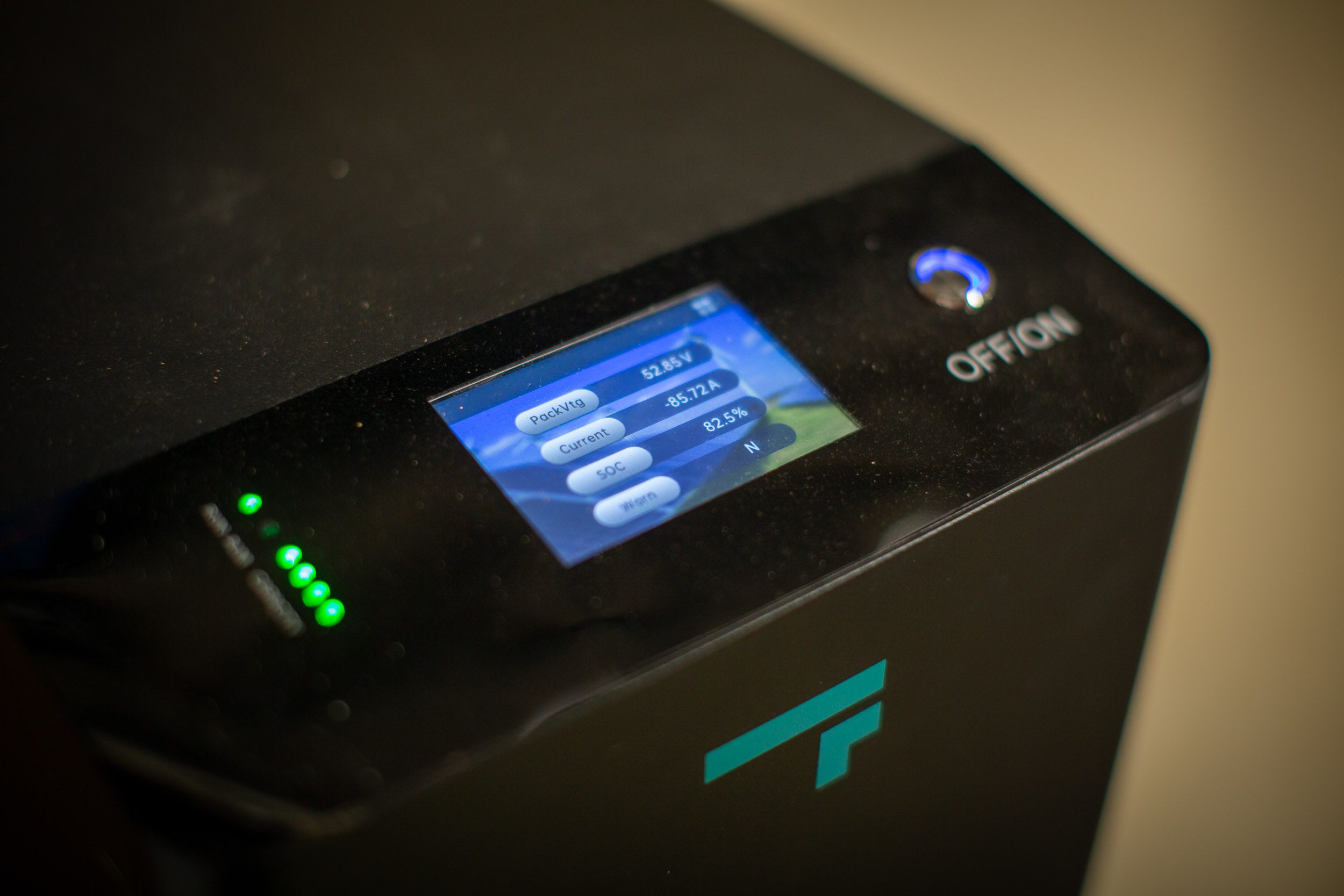
- 32 kWh LiFePO₄ battery storage (Fogstar).
- Victron Dynamic ESS, built around a 10 kVA Multiplus-II inverter.
- Smart diversion of excess solar to hot water and EV charging.
This combination provides year-round resilience, low running costs, and full backup capability during grid outages — a key consideration for rural Devon properties.
Maximising Solar Generation in a Woodland Setting
For rural Devon homes surrounded by trees and uneven terrain, array placement is critical.
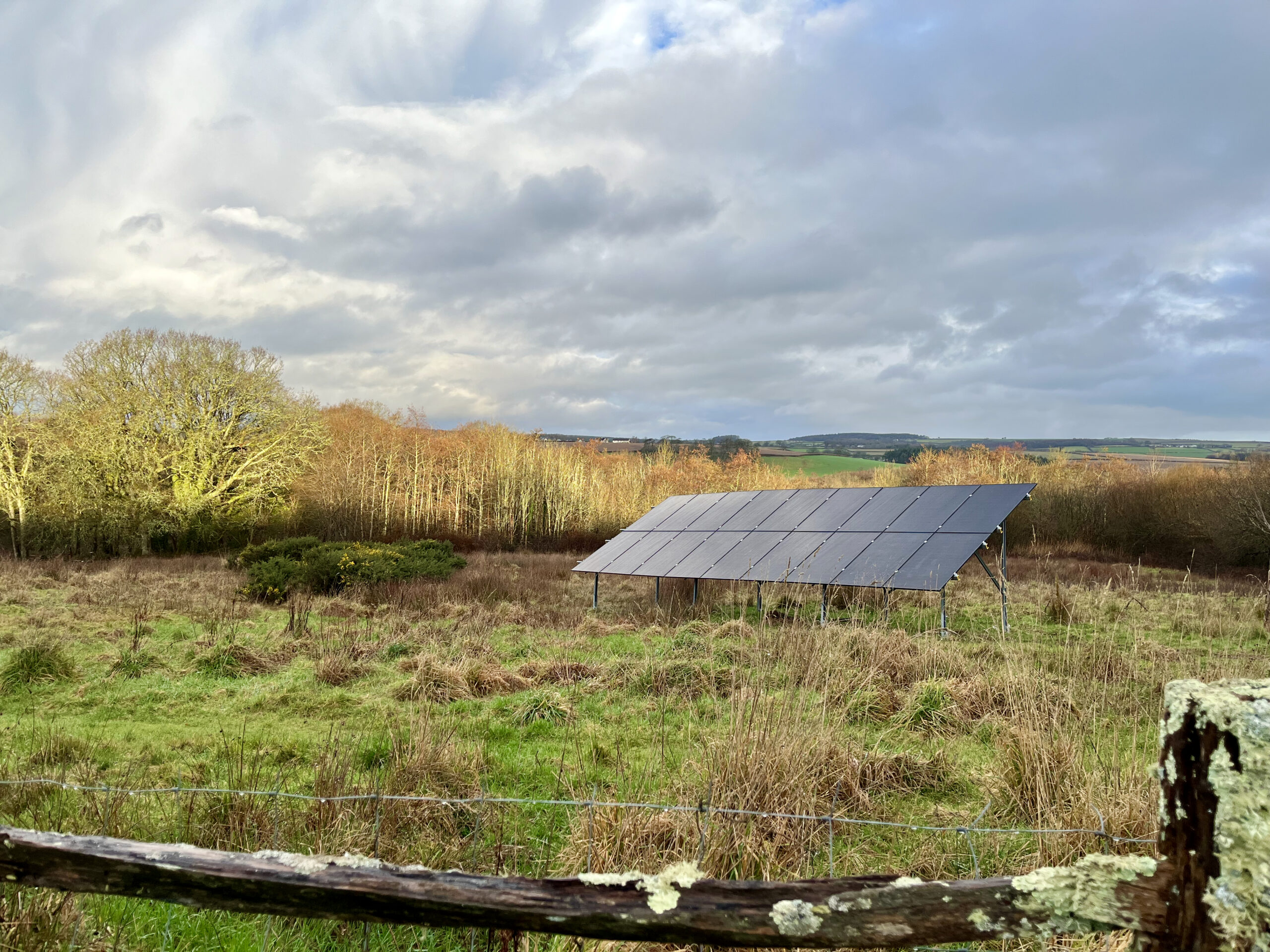
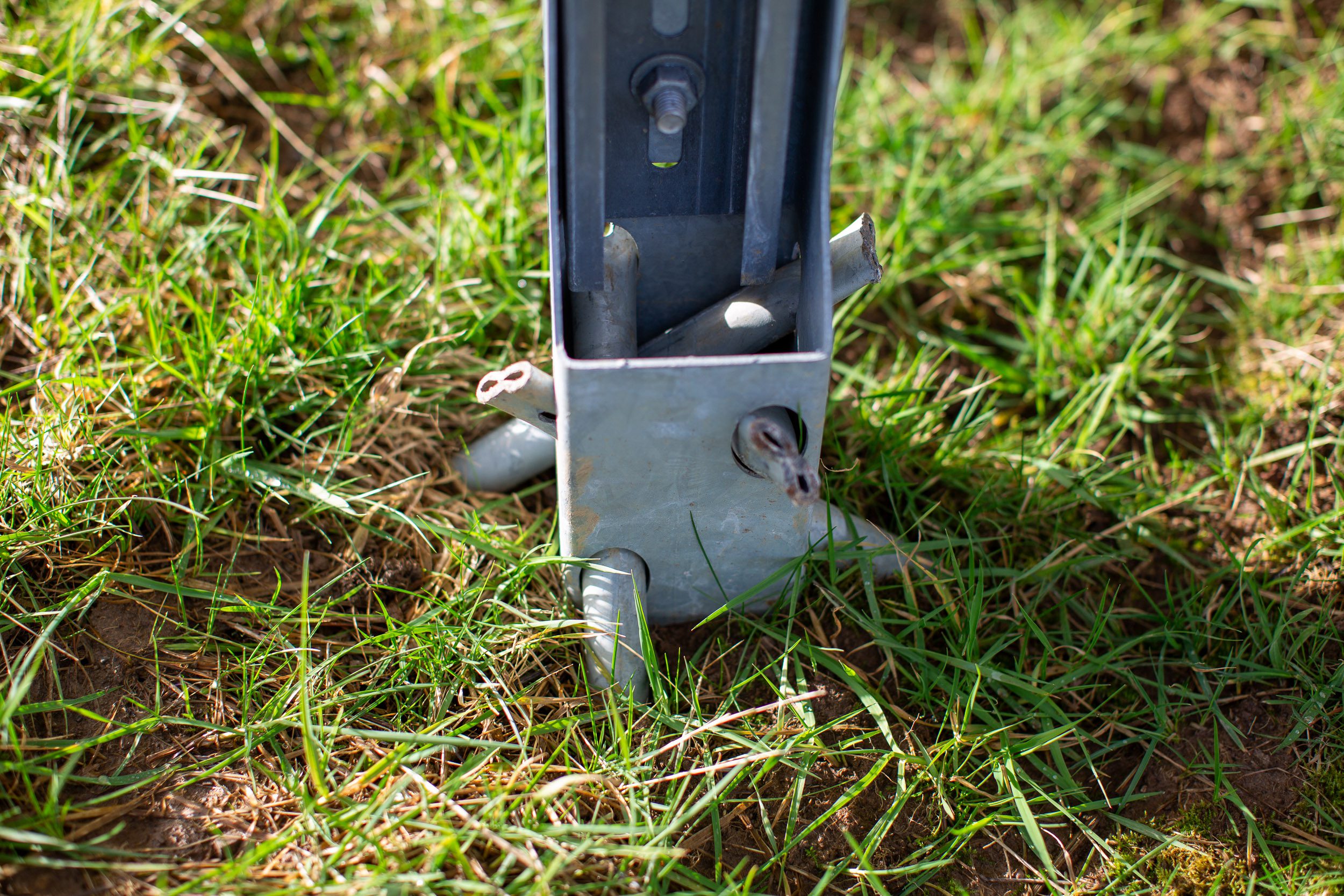
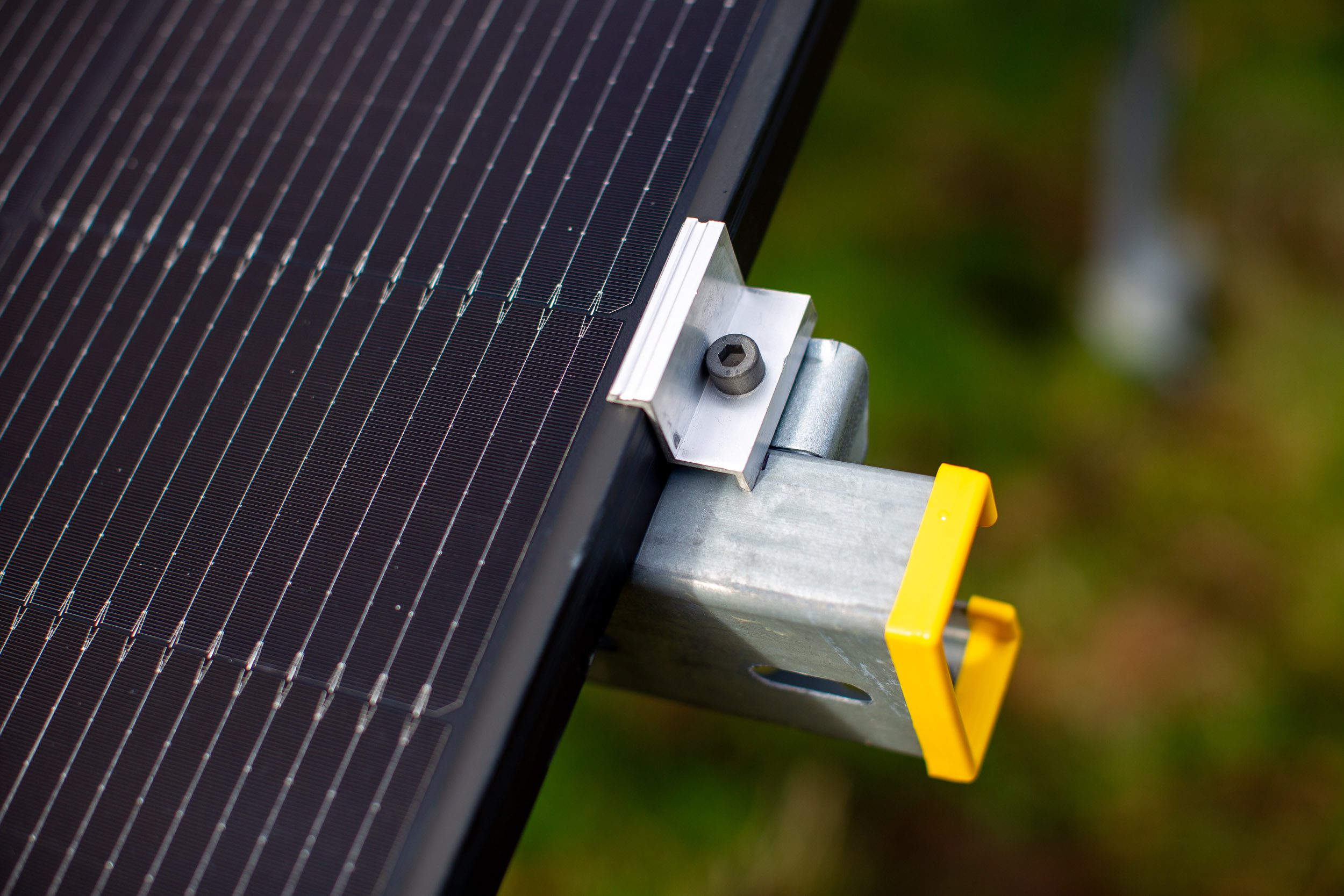
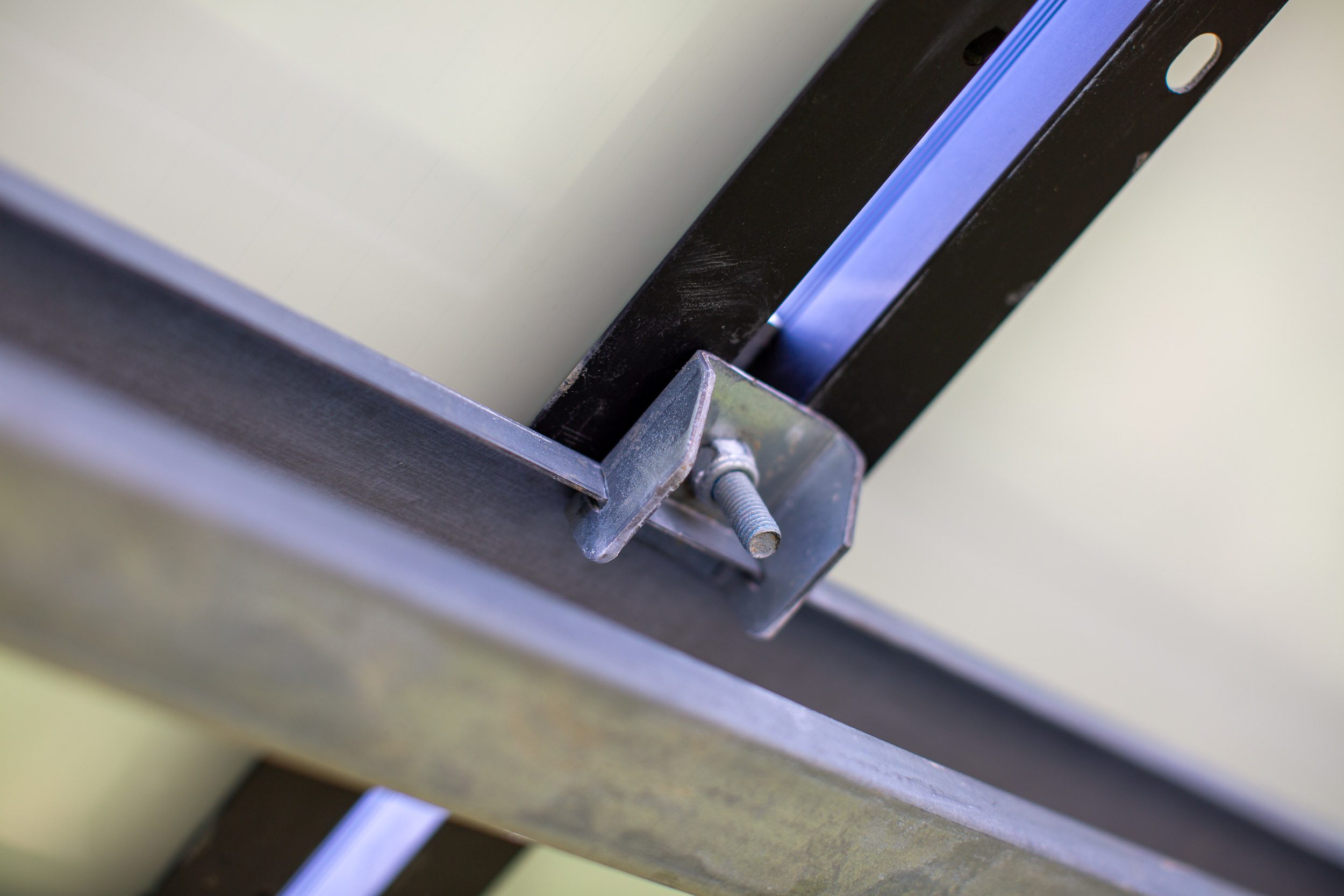
Due to the orientation and roof constraints of the farmhouse, a certified Solarport ground-mounted array was selected as the optimal solution.
Because the array is located a significant distance from the house and grid connection, an AC-coupled configuration was used:
- Fronius 8 kW single-phase inverter
- 150 metres of 35 mm² steel wire armoured (SWA) cable, installed underground.
This approach minimised voltage drop and ensured long-term system reliability while maintaining flexibility within the wider energy system.
Shading
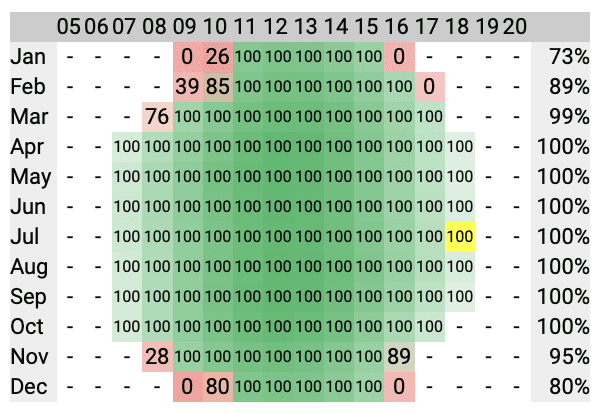
Using OpenSolar, the site was modelled in 3D to assess shading throughout the year. This allowed us to identify the optimal balance between solar yield, cable length, and installation cost — ensuring the system performs efficiently even during winter months.
AC-Coupled vs DC-Coupled
While DC-coupled systems can offer marginal efficiency gains, those advantages diminish when solar arrays are located far from the inverter and batteries. In this case, an AC-coupled system proved the most practical and robust choice.
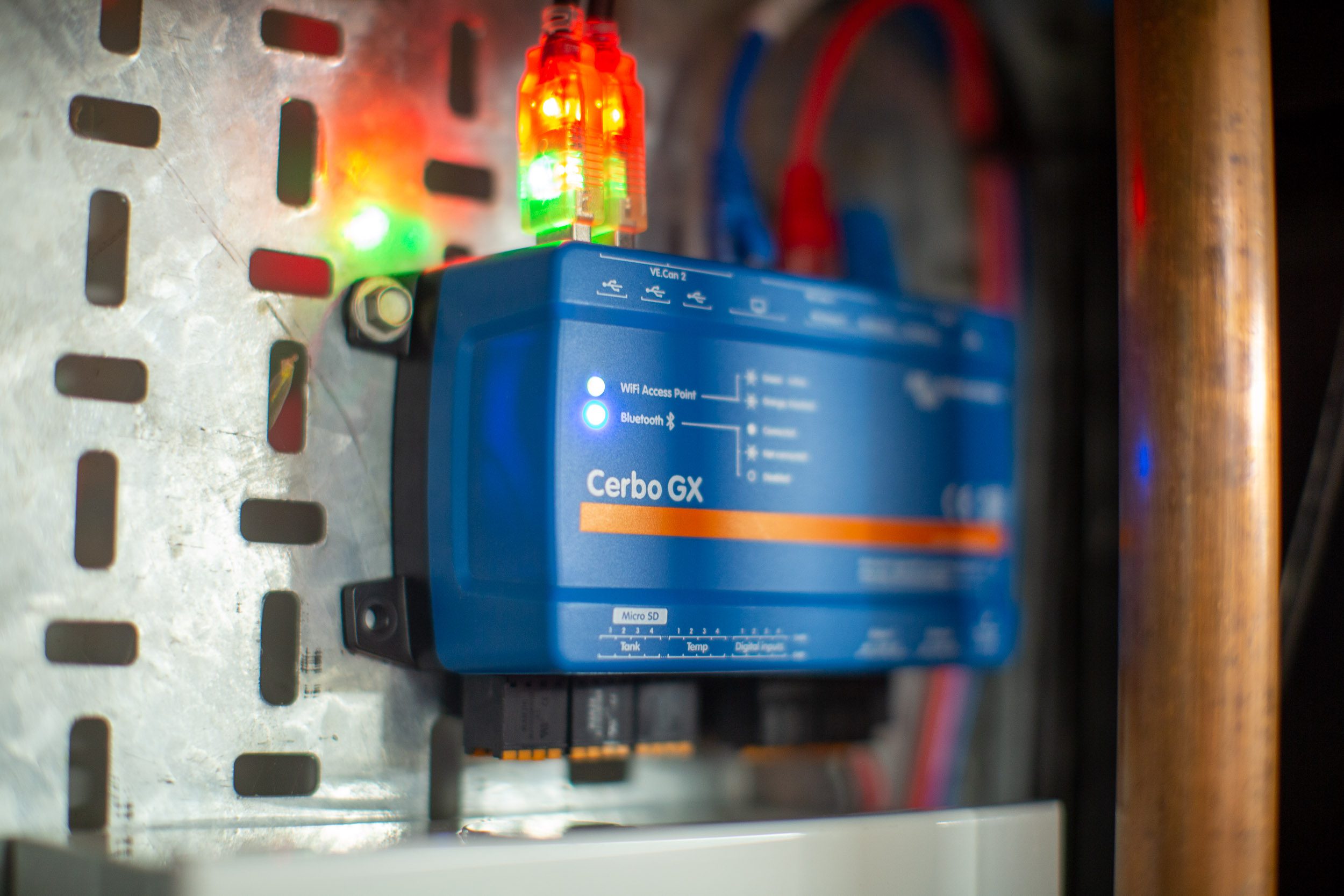
The Fronius inverter operates seamlessly alongside the Victron system during grid outages. Power flow is monitored via a Victron energy meter, communicating with the Cerbo GX over RS485 for precise system control.


Victron Dynamic ESS – Smarter Energy Storage


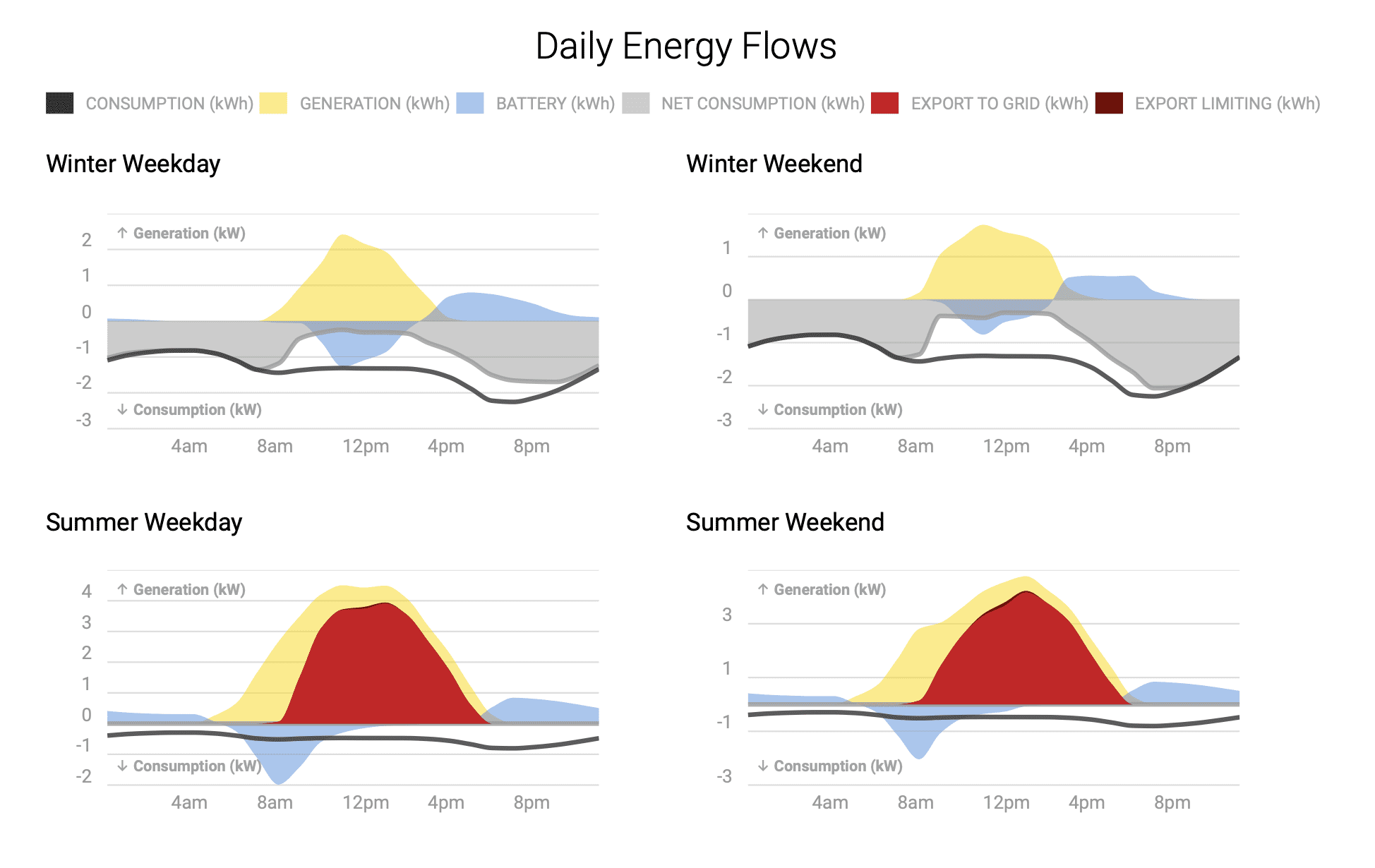
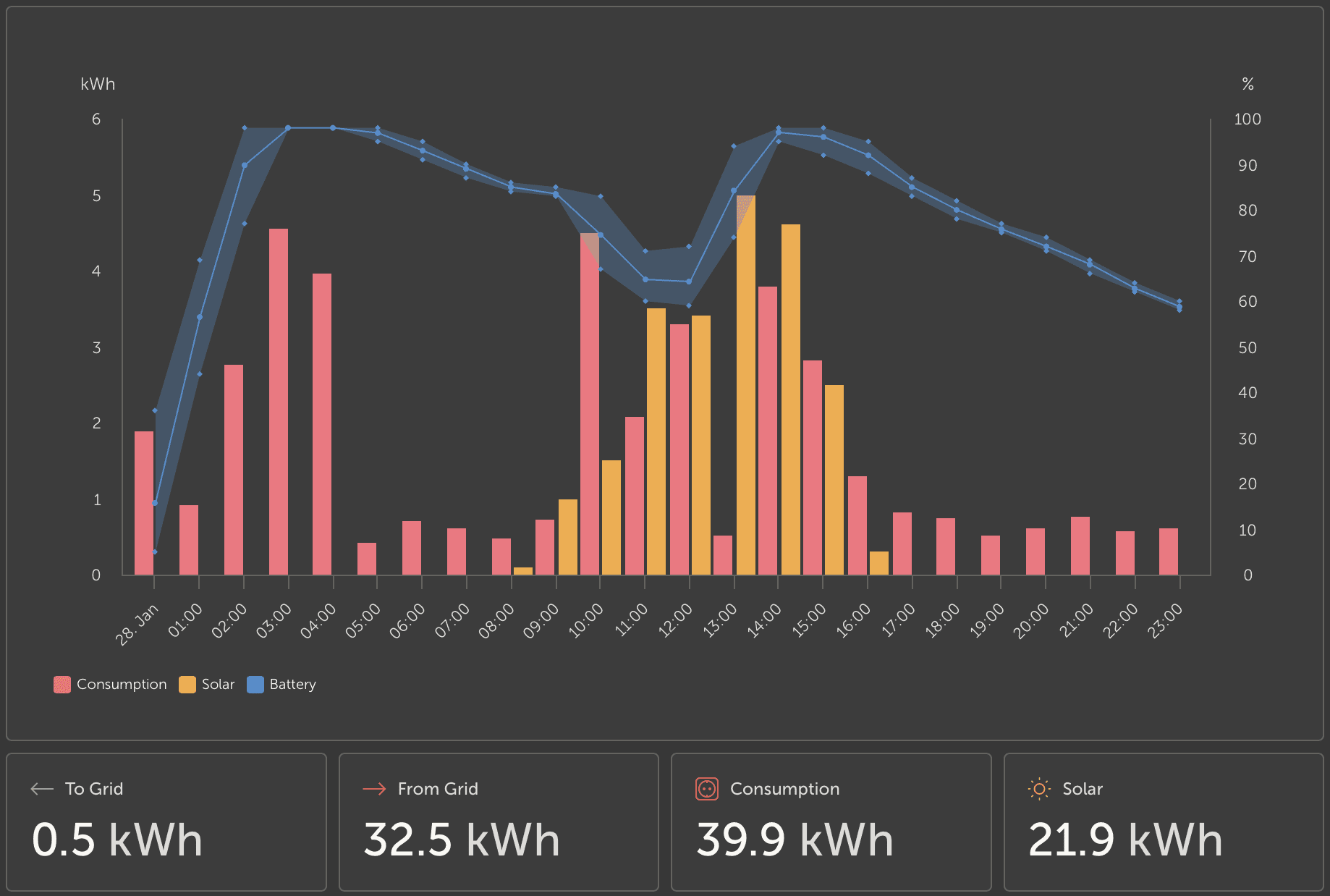
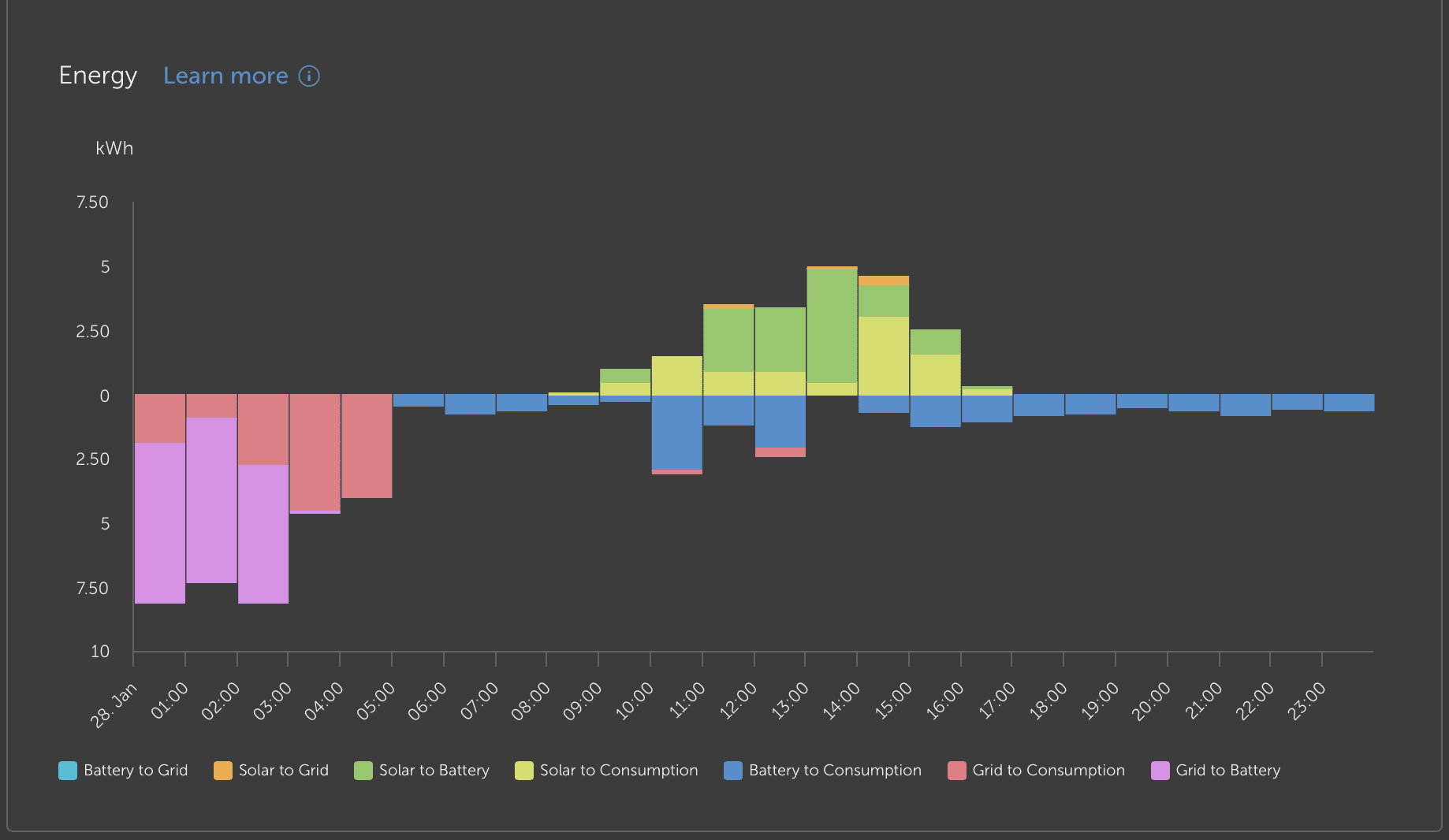
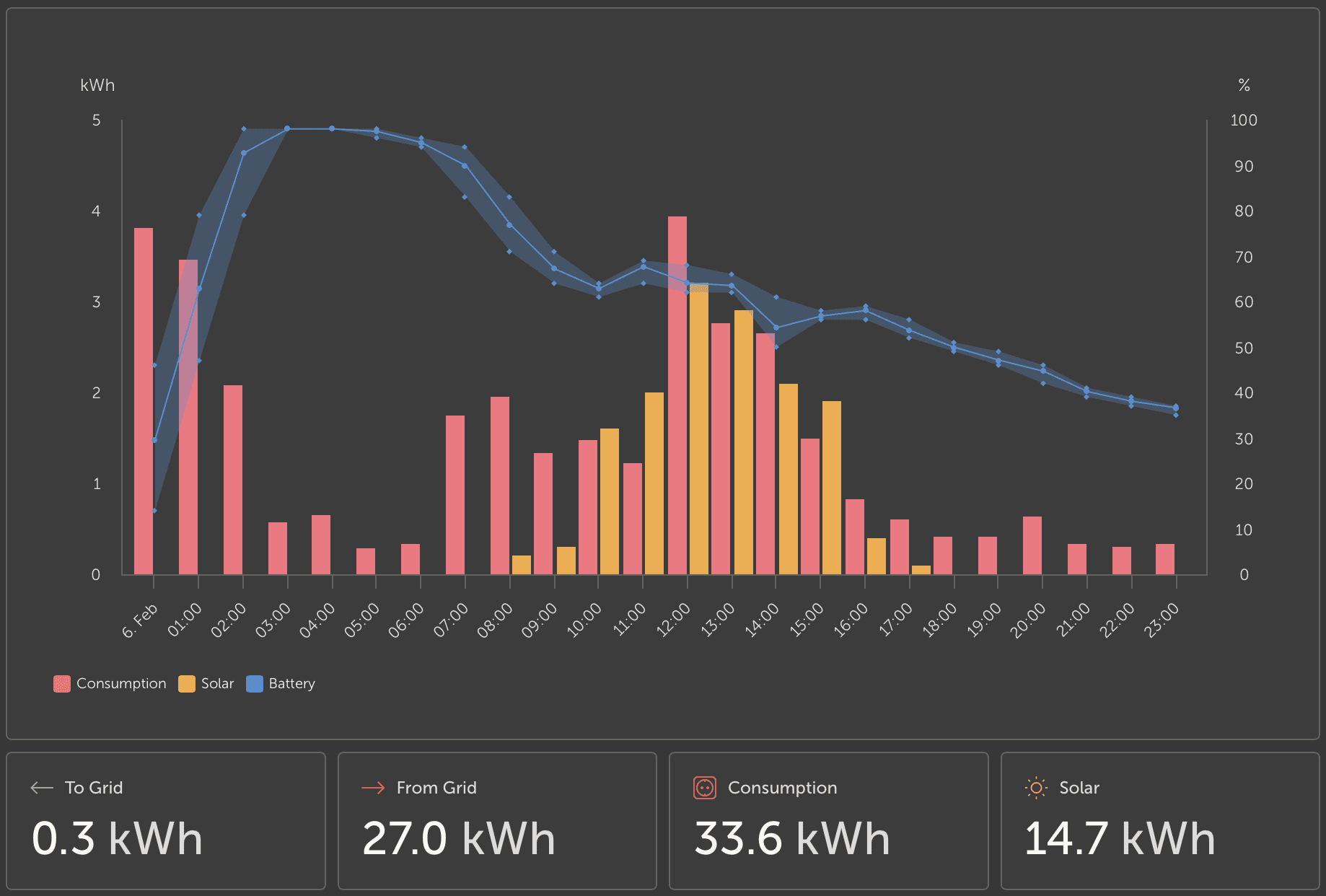
Even with a 9 kW solar array, winter heating demand in Devon can exceed daily solar generation. To address this, the system uses Victron Energy’s Dynamic ESS, which intelligently combines solar, battery storage, and low-cost grid electricity.
How It Works
Average winter energy demand: ~45 kWh per day
Clear winter solar generation: 20+ kWh per day
Batteries charge from the grid between 12am–5am at ~8p/kWh
Charging is adjusted daily based on solar forecasts
By charging only what’s needed overnight, the system keeps costs extremely low. On a typical winter day, only 40% of the battery capacity may need topping up from the grid — costing around £1.02.
As daylight hours increase, grid charging automatically reduces. By spring, the home operates almost entirely on solar and stored energy.
Managing Summer Solar Overproduction
Large solar arrays inevitably overproduce during summer months — but this energy doesn’t have to be wasted.
Smart Hot Water Heating
Using the Victron system’s built-in relays, excess solar power is diverted to immersion heaters via contactors in the consumer unit. This heats:
A primary hot water cylinder
A secondary hot water tank
These tanks effectively act as thermal batteries, storing surplus solar energy. The immersions activate only once the lithium battery reaches 95% state of charge, and switch off again at 90%, ensuring battery health is prioritised.
Electric Vehicle Charging
When required, the homeowner can remotely prioritise EV charging via the Victron VRM app. This diverts all available solar generation to the vehicle instead of water heating.
With compatible EVs, future bi-directional charging could allow the car itself to function as an additional 70+ kWh home battery, further increasing resilience and self-sufficiency.


Financial Performance and Payback of the Solar & Battery System
✔ Payback achieved in Year 5
| Year | Old Energy Cost (£) | New Energy Cost (£) | Annual Saving (£) | Cumulative Saving (£) |
|---|---|---|---|---|
| 1 | 5,280 | 1,120 | 4,160 | 4,160 |
| 2 | 5,544 | 1,154 | 4,390 | 8,550 |
| 3 | 5,821 | 1,189 | 4,632 | 13,182 |
| 4 | 6,112 | 1,225 | 4,887 | 18,069 |
| 5 | 6,418 | 1,262 | 5,156 | 23,225 |
| 6 | 6,739 | 1,300 | 5,439 | 28,664 |
| 7 | 7,076 | 1,339 | 5,737 | 34,401 |
New Annual Bills
System Install Price:
£21,500
Including Heatpump – £3000 after RHI
Estimated annual electricity bill:
£1120
Based on an annual usage of 9630 kWh, including standing charge and 8000 miles of EV charging.
Previous Annual Bills
Previous Annual Energy Bill:
£822
based on 2400 kWh plus standing charge.
Gas Cylinders:
£2100 a year
Firewood:
£800 a year
Annual Fuel Costs
£1558 a year
35 mpg at 150p a litre
Total after 20 years:
£141,875
with 3% inflation each year.
Savings
Over the life of the system:
£90,280
(System lifespan estimated at 20 years. At 10 years the estimated savings = £26,190)
Payback:
4.5 years
The Result
The system pays for itself in under five years. Over a typical 20-year lifespan, it is expected to save over £90,000 in energy and transport costs, even without factoring in future energy price increases.
This Mid-Devon farmhouse now benefits from:
– Dramatically reduced energy costs –
– Reliable power during grid outages –
– Low-carbon heating and transport –
– A discreet renewable system that respects the building’s heritage –
It’s a strong example of how off-grid and renewable energy systems can be successfully integrated into historic rural homes across Devon and the South West.
Interested?
If you’re considering a renewable energy upgrade for a rural or off-grid property in Devon, or would like to discuss a similar system design, feel free to get in touch with Offgrid Western.

Bringing “Grid-Standard” Power to a Historic Tregonhawke Cliff Chalet
Discover how Offgrid Western brought 5-star power to a historic Tregonhawke Cliff Chalet using a Victron 5kVA system and high-capacity Fogstar battery storage.
Off-Grid Class Q Barn Conversion – Solar & Battery System Case Study
Off-grid Class Q barn conversion in Devon powered by solar PV, battery storage and modern heating. A real-world renewable energy case study.
Mid-Devon Farmhouse Solar, Battery & Heat Pump Case Study | Offgrid Western
A Mid-Devon farmhouse upgraded with solar PV, battery storage and a heat pump, cutting energy and transport costs by over £4,000 per year.